How journalists could use factor models that work even when they break
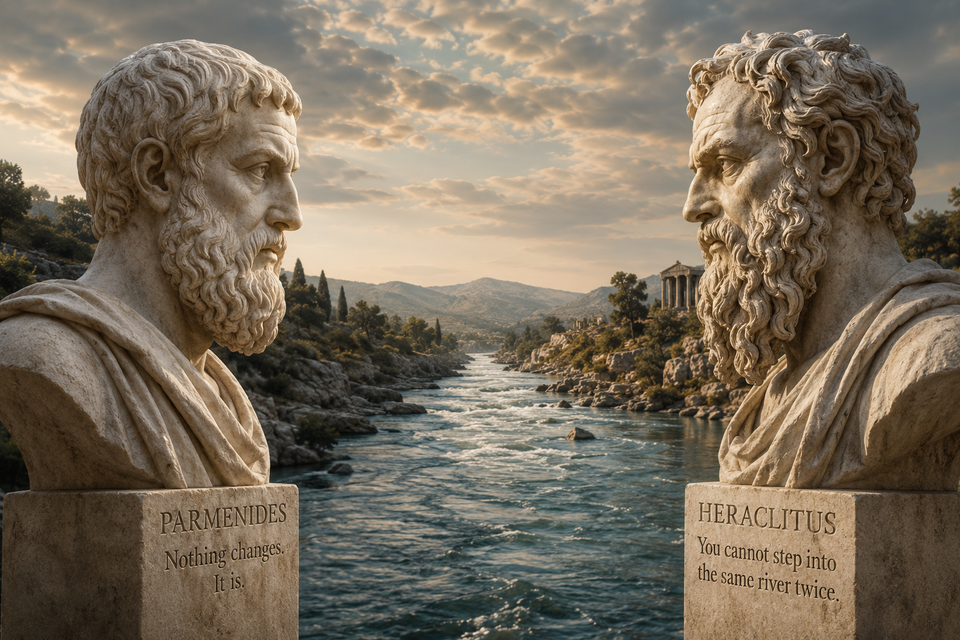
Arguments about the slippery concepts of change, probability and forecasting have been going on since Parmenides vs Heraclitus, and no doubt long before. A modern version of this debate can be staged—somewhat artificially, but usefully—as Taleb versus Tetlock. Nassim Nicholas Taleb’s Black Swan theory warns that some

Even after everything, we still believe in market wizards
The people of Iceland, despite having built a modern and pragmatic economy based on fishing and metals, are said to still believe in faeries and elves. They collectively know these spirits as huldefolk, or hidden people. I don’t know how much of this tradition is in earnest and how

A late-1990s lens on how AI could transform state power
A short reflection on James Scott’s classic work, Seeing Like a State (1998), and how it might relate to the AI era In the mid-1700s, East Prussian demand for timber led to untidy German forests being cut down and replaced with monocultural rows of fast-growing Norway spruce. Provincial magistrates rewrote

Chip War and the consequences of not encouraging risk
I read Chip War alongside a very different sort of history book: Foundation by Peter Ackroyd. Whereas Chip War takes a deliberately slowed-down, linear approach to covering the logarithmic growth of the global semiconductor industry, Foundation is an almost psychedelic, million-year story of Britain and its few inhabitants (of which

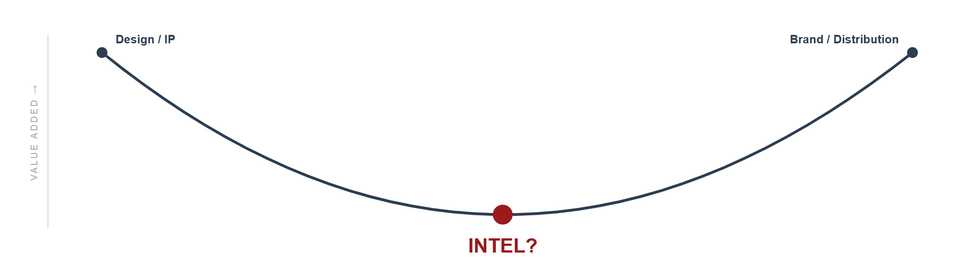
Where is Intel on the smile curve?
Stan Shih’s smile curve is a decades-old concept, but it’s still relevant to investors who have been watching Intel’s share price (INTC, up 100% in the first four months of 2026). Shih’s theory, which has since been observed across multiple industries and geographies, holds that more

Three things I didn’t expect to learn from Kenneth Rogoff
A short review of Our Dollar, Your Problem (2025) I listened to Rogoff being interviewed when his book launched last year and decided it was worth going straight to the source. I particularly wanted to understand the so-called “convenience premium” that podcasters kept asking him about. (In a nutshell, that’s